
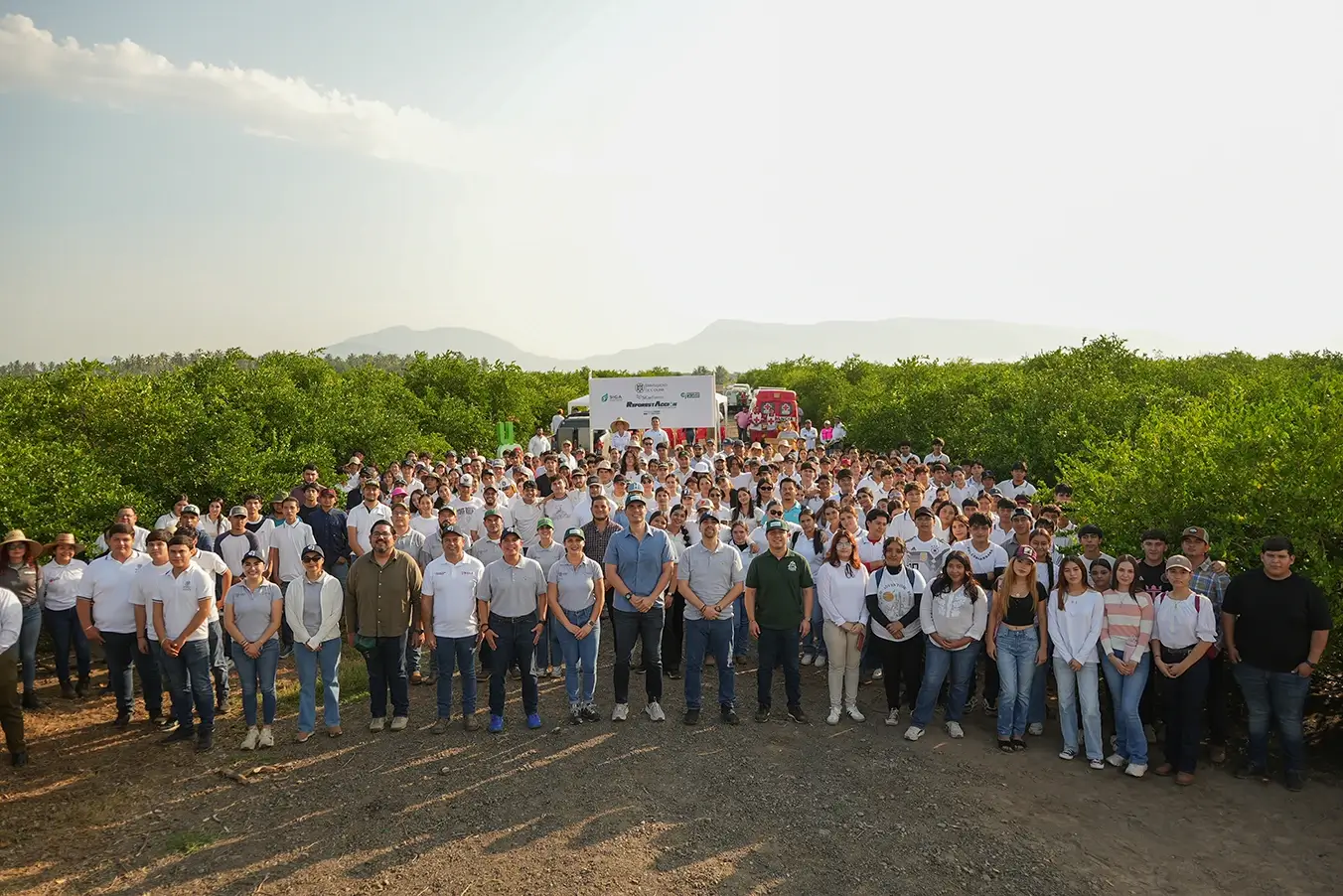
Southern Colima is home to one of the most important lime-producing areas in the country. Citrojugo’s operation depends directly on that regional production, which means the conditions of the ecosystem surrounding the groves, particularly the presence of pollinators and the state of the soil, have an effect on the volume and quality of the fruit that reaches our plant.
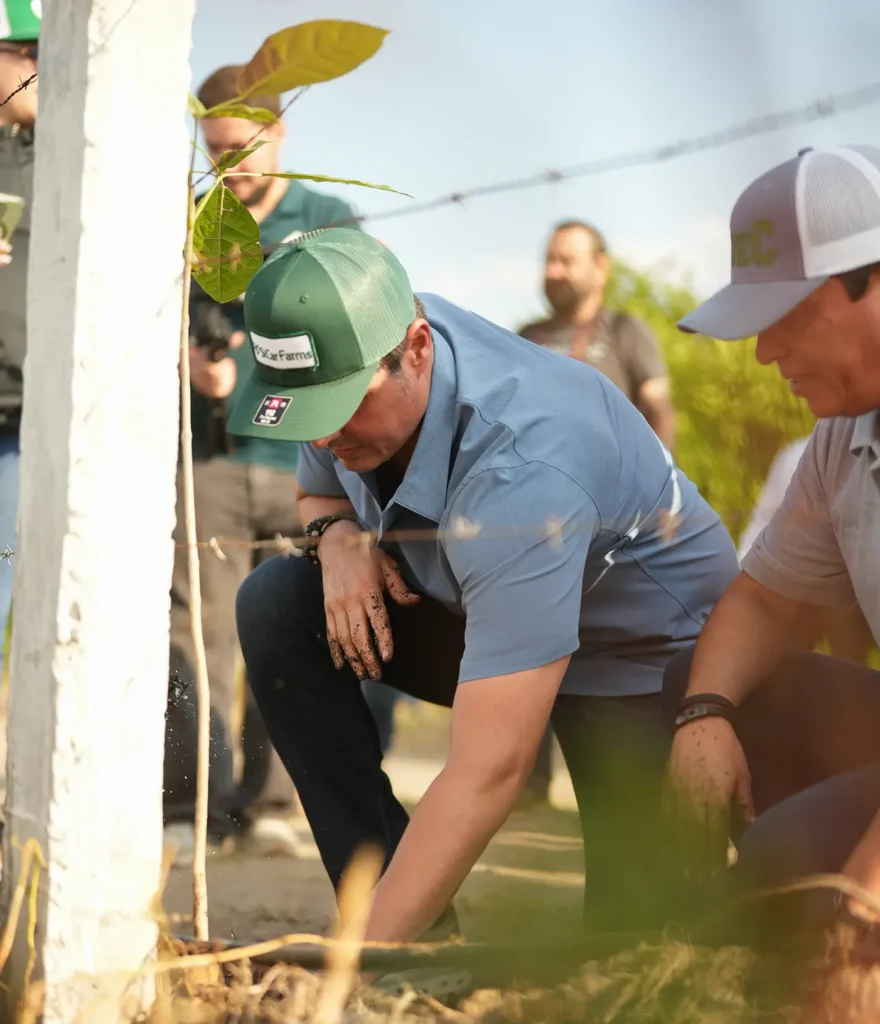
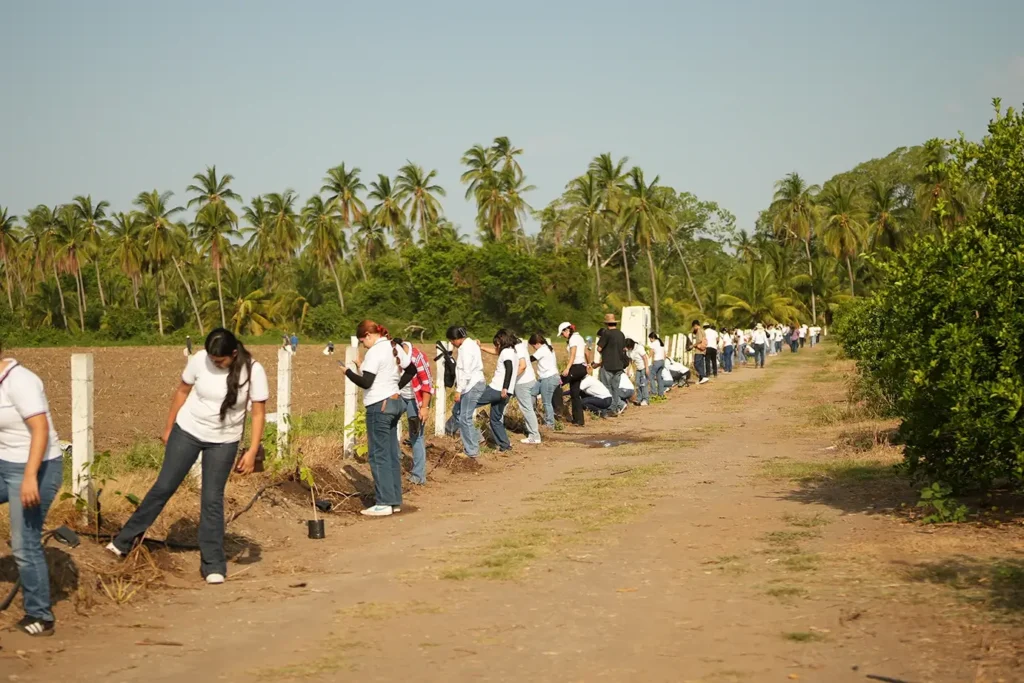
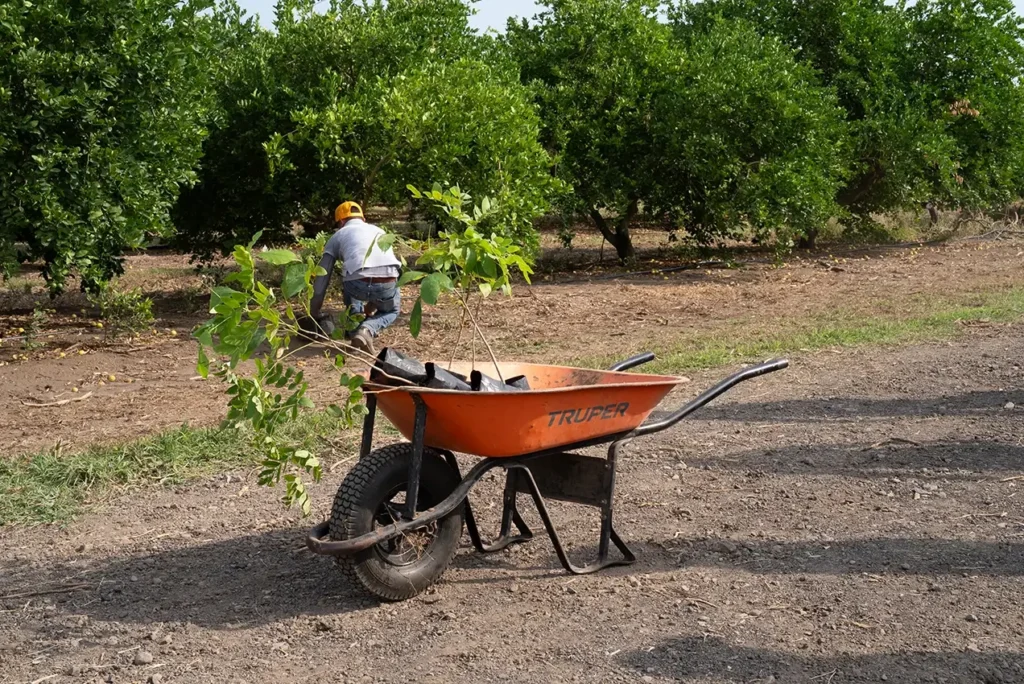
On that basis, Grupo GO took part in ReforestAcción “Siembra el futuro, planta un árbol” (Sow the future, plant a tree) 2026, the institutional program of the University of Colima, which this year plans to plant more than 12,000 trees across the state. The group’s contribution was 400 specimens of native species.
The ReforestAcción Program
ReforestAcción has been running since 2023 and has increased its number of participants and trees planted every year. The trees from the first editions already perform concrete environmental functions: they provide shade, fix carbon and sustain local wildlife.
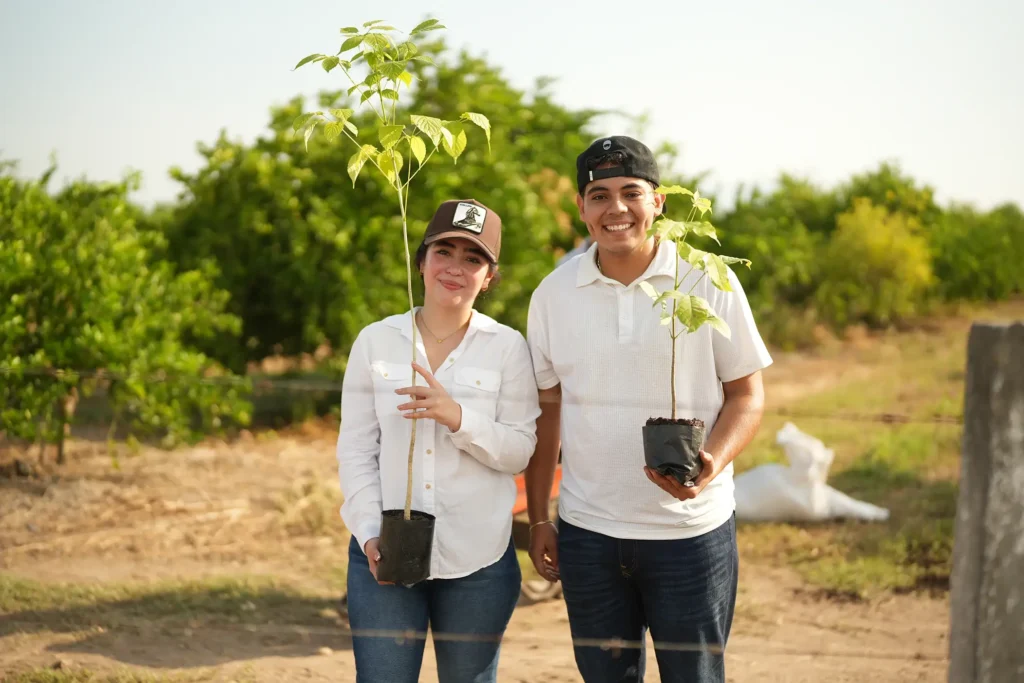
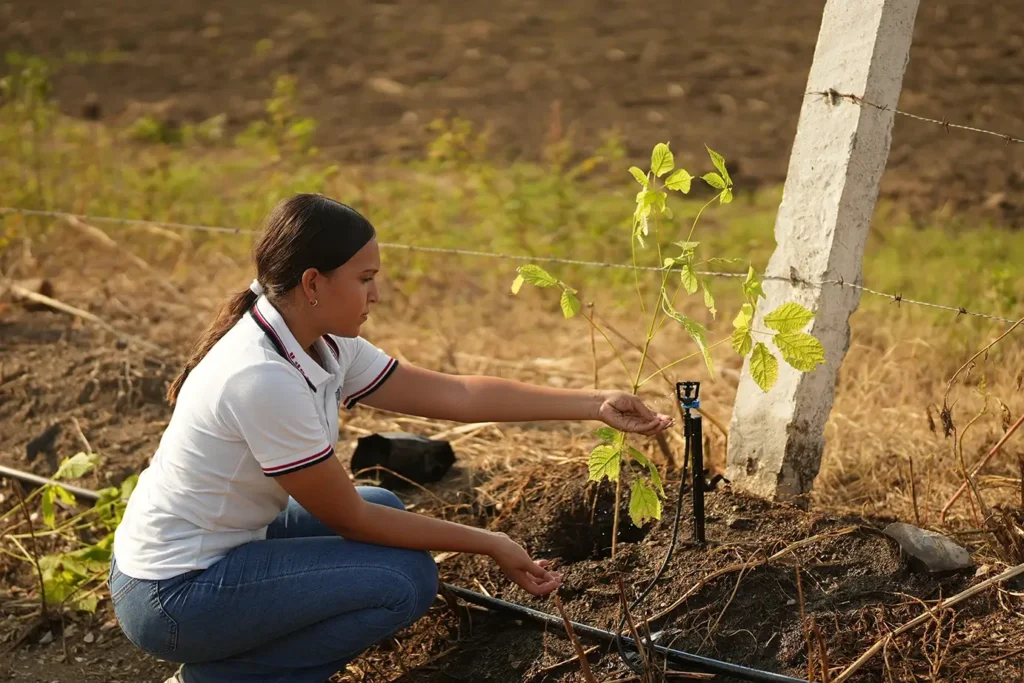
The 400 specimens contributed this year correspond to four species adapted to the climate and soil conditions of southern Colima: coral, pingüica, rosa morada and primavera. Over five years, the group has an estimated carbon capture potential of 45 tons of CO₂ per year.
Species Selection Criteria
Coral, rosa morada and primavera are abundant-flowering species that serve as a food source for bees and other pollinators. This point is directly relevant to the industry: greater availability of blossom in the area supports pollination in the municipality’s groves, both those of Grupo GO and those of the growers who supply the plant.
The effect is documented. Research conducted at the Villa Chica ranch of SiCar Farms, a sister company within Grupo GO, assessed the impact of the Apis mellifera bee on Mexican lime cultivation and recorded better results in fruit set, fruit weight and juice content in trees close to the hives. Citrojugo took part in that study with the physicochemical analysis of the fruit.
Pingüica serves a different function. It is a native species that contributes to soil stabilization and to sustaining biodiversity in the transition zones between farmland and wild vegetation.
The benefit of a native vegetation corridor is not limited to the properties where it is planted. It improves environmental conditions across the municipality as a whole.
Follow-Up After Planting
Grupo GO has an Agroecology Department and a Sustainability area that operate on a permanent basis. These areas are the source of the biofertilizers and biorepellents used in the field, the bee conservation programs and the solar energy projects installed at the group’s plants.
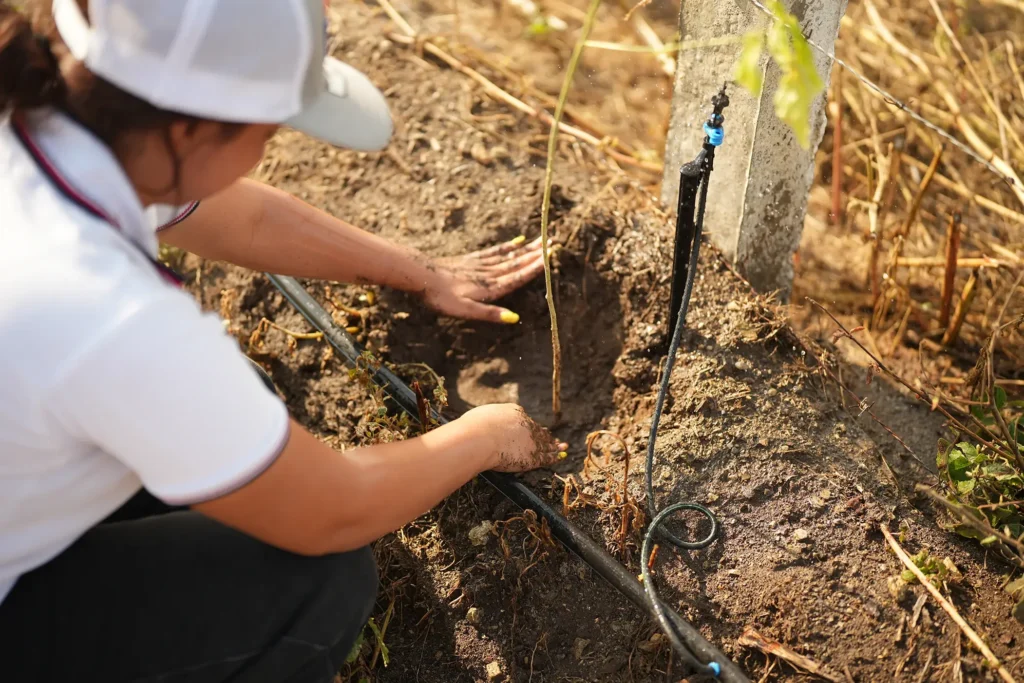
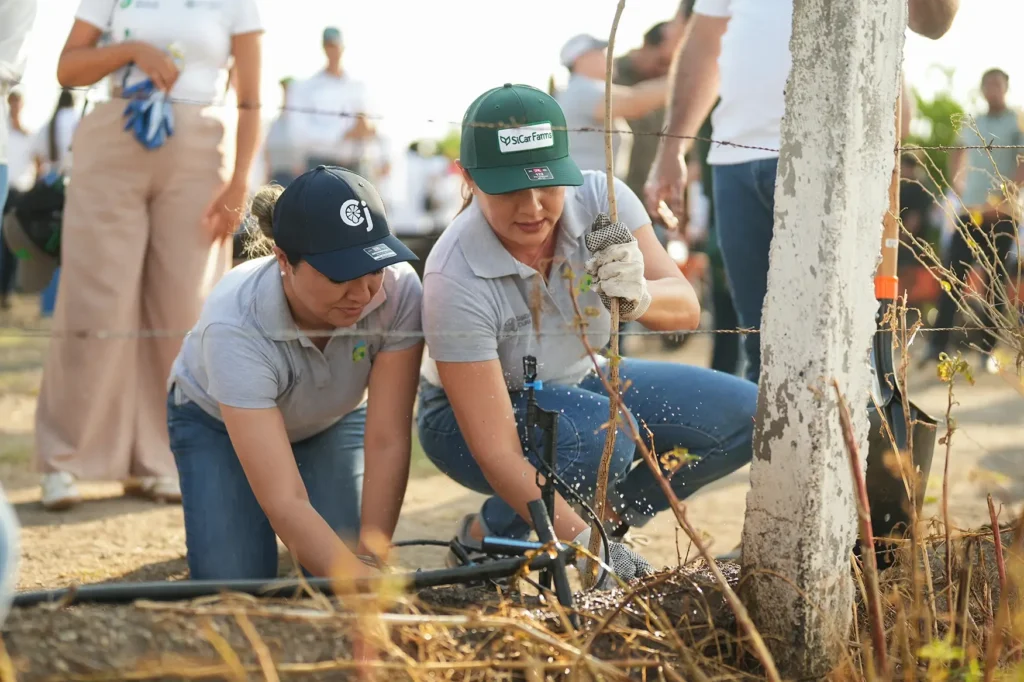
ReforestAcción is part of that operation. In addition to providing the land, the group took on the irrigation and nutrition of the trees during their earliest growth stages, which record the highest mortality rates.
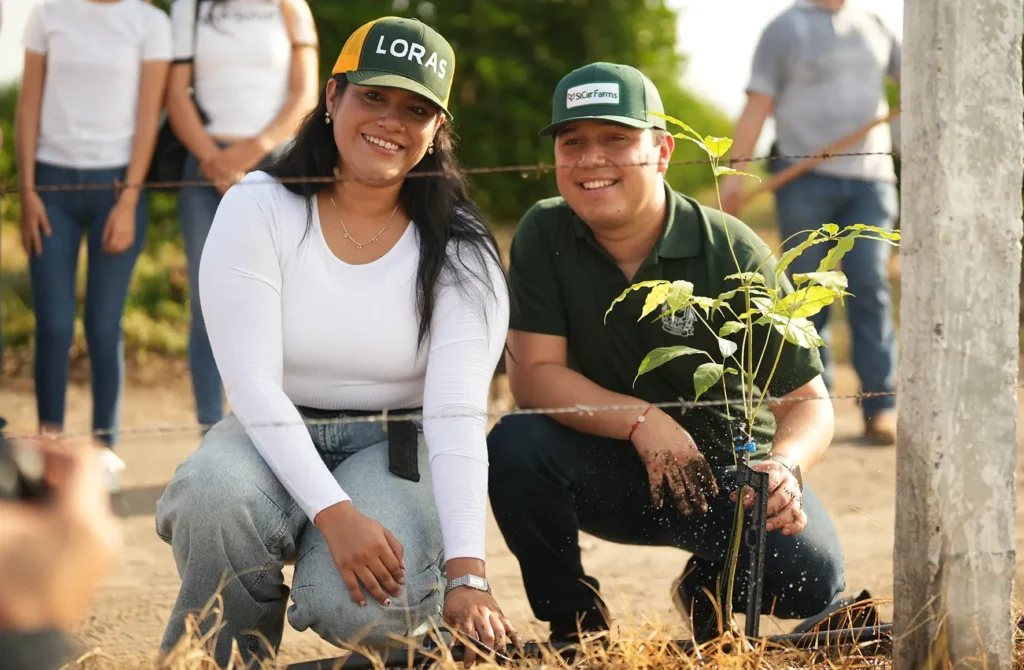
Daniel Gudiño Ochoa, director of SiCar Farms, stated during the event: “Reforesting does not end when you plant a tree; that is where the responsibility of making it grow begins.”
The Rector of the University of Colima, Dr. Christian Jorge Torres Ortiz Zermeño, agreed that planting represents half of the action and that the other half corresponds to supporting the tree through its first stage of life.
Institutional Participation
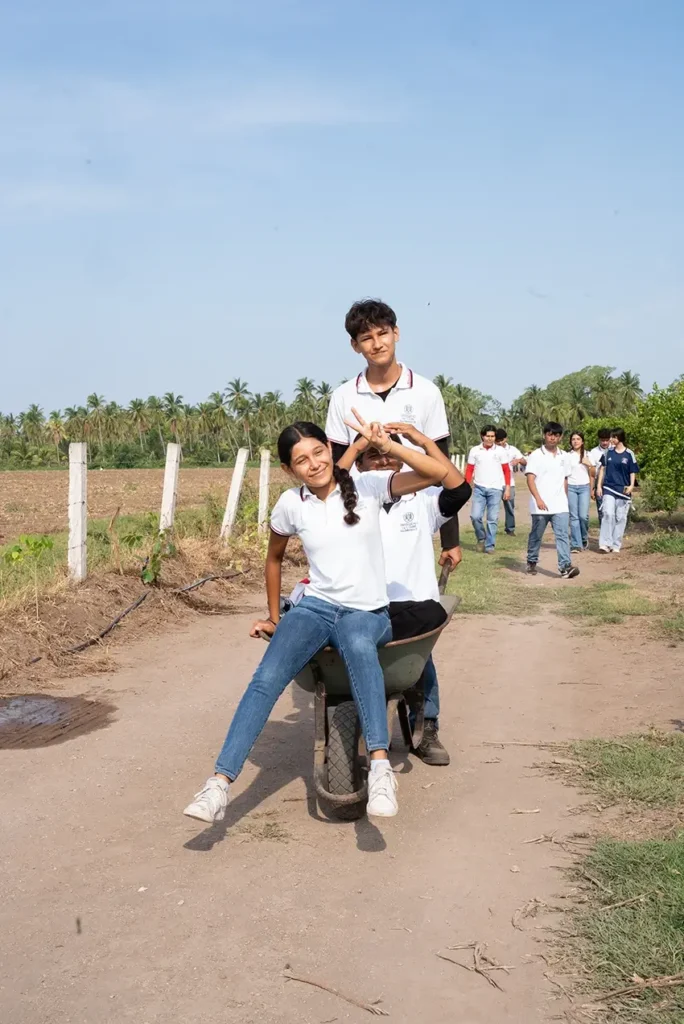
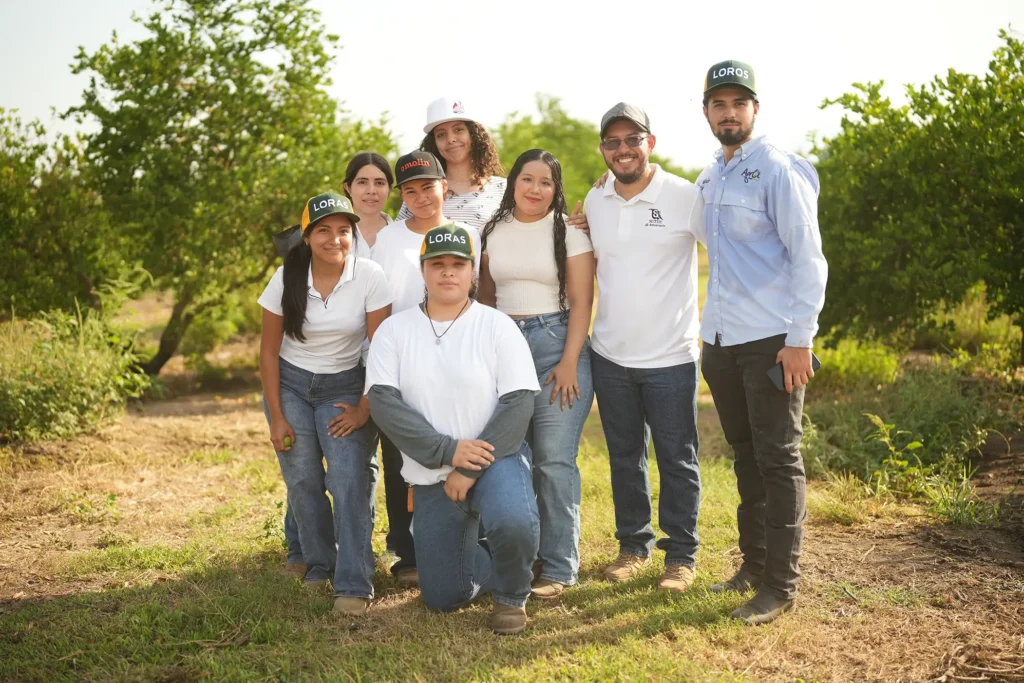
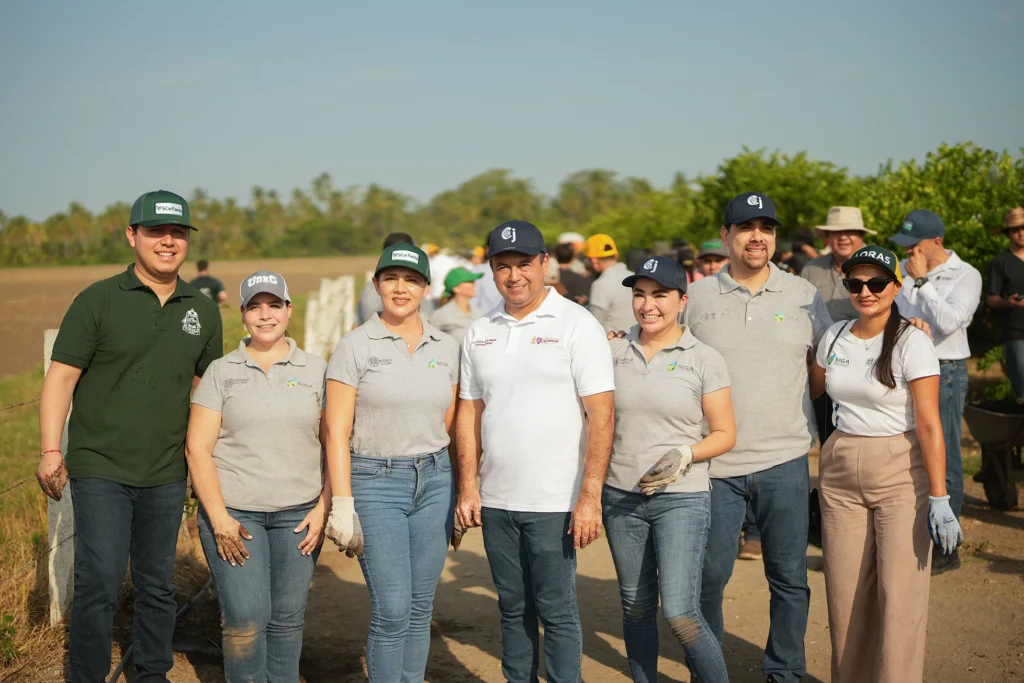
Hundreds of students, faculty members and volunteers from the University of Colima took part in the day’s work. Also in attendance were Armando Reyna Magaña, Mayor of Tecomán; Blanca Liliana Díaz Vázquez, Chair of the UdeC Volunteer Association and head of SIGA; and Joel Nino Jr., Secretary General of the University of Colima.
Reyna Magaña emphasized to the students that their participation is decisive in establishing environmental care as an everyday practice.
Long-Term Commitment
Citrojugo thanks the University of Colima for the invitation to take part and the Tecomán City Council for its support of the actions that strengthen the municipality.
The company’s commitment is to follow up on these 400 trees and to incorporate additional land in the coming editions of the program. Citrojugo has been processing citrus in the region since 1980, and the environmental recovery of a productive area is measured on comparable timeframes.